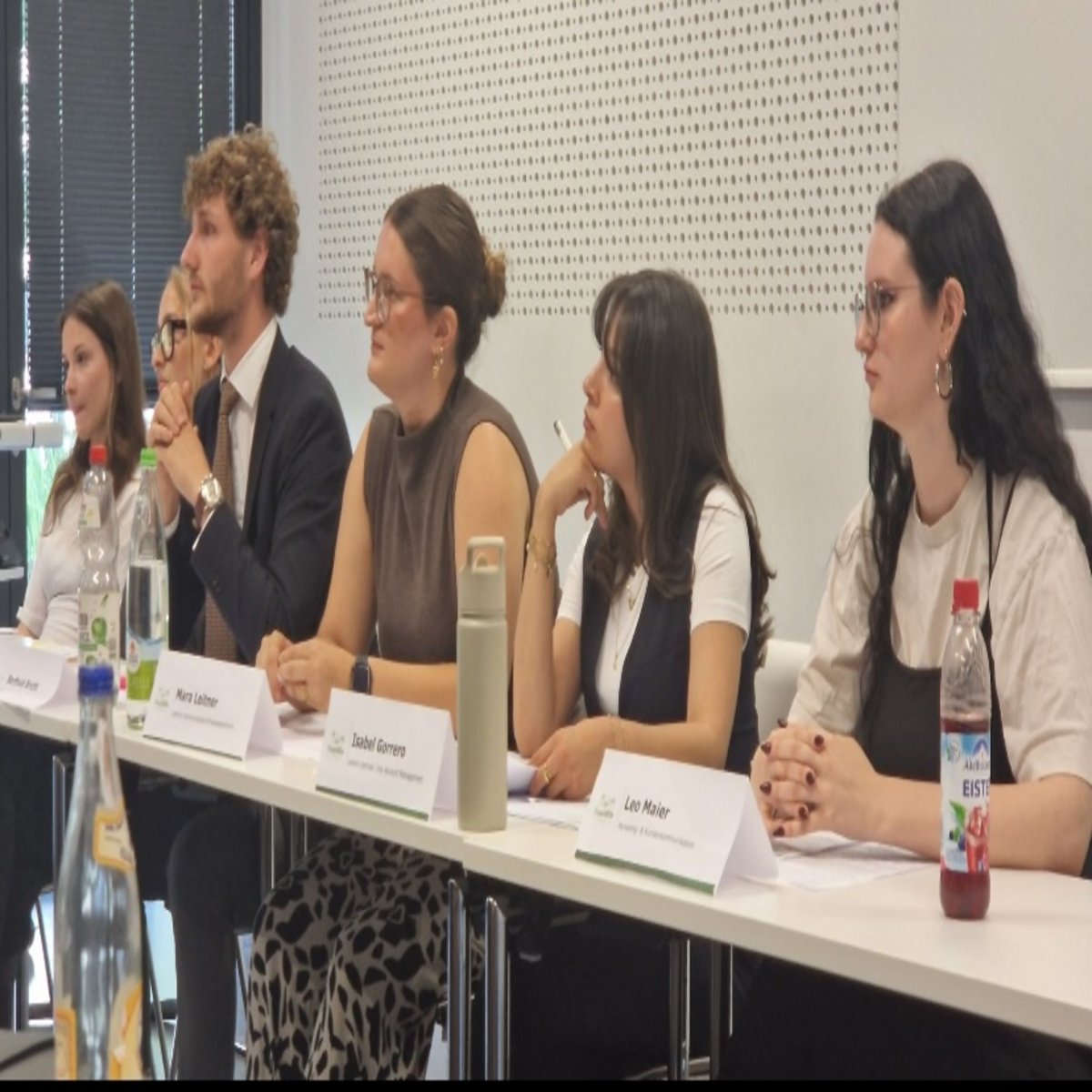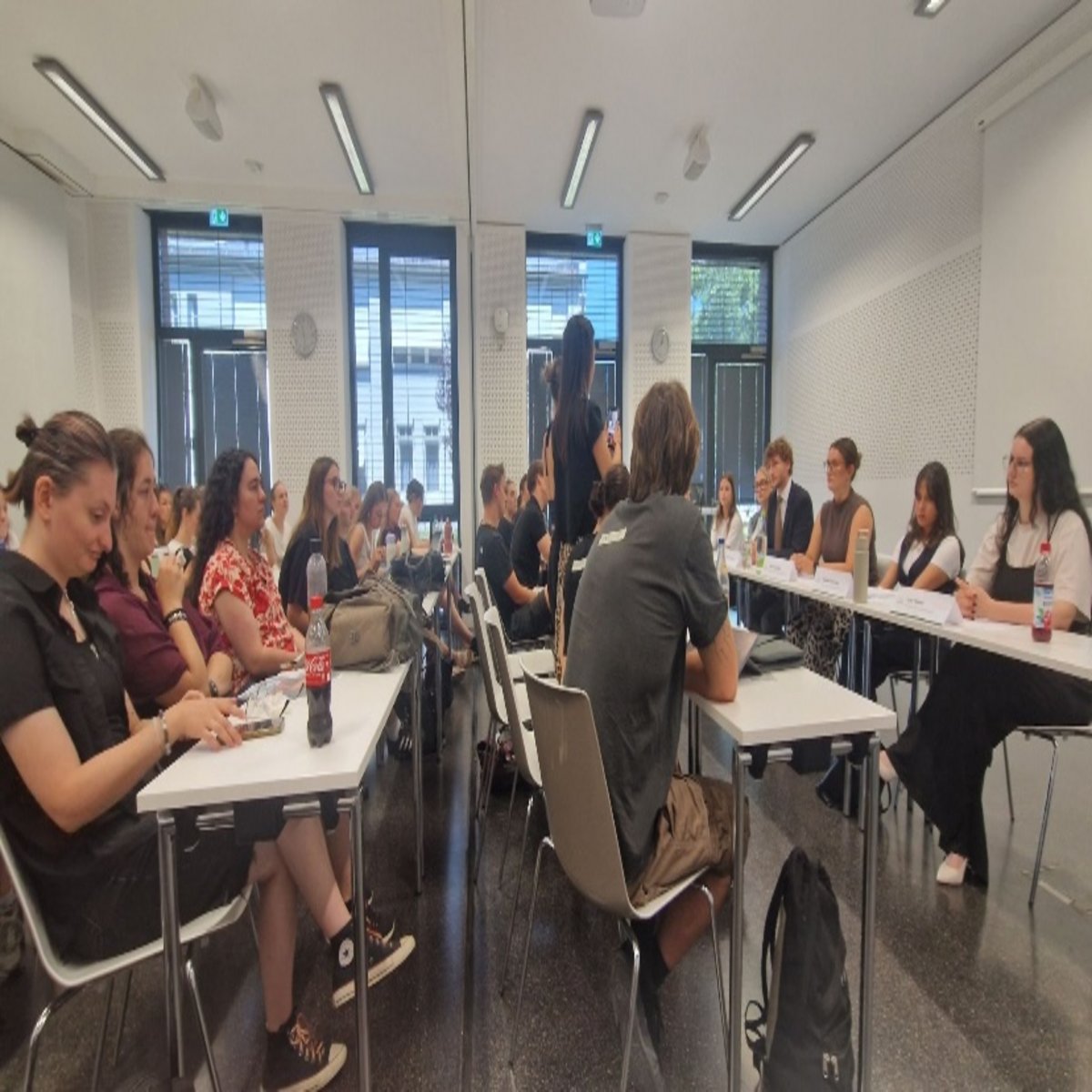
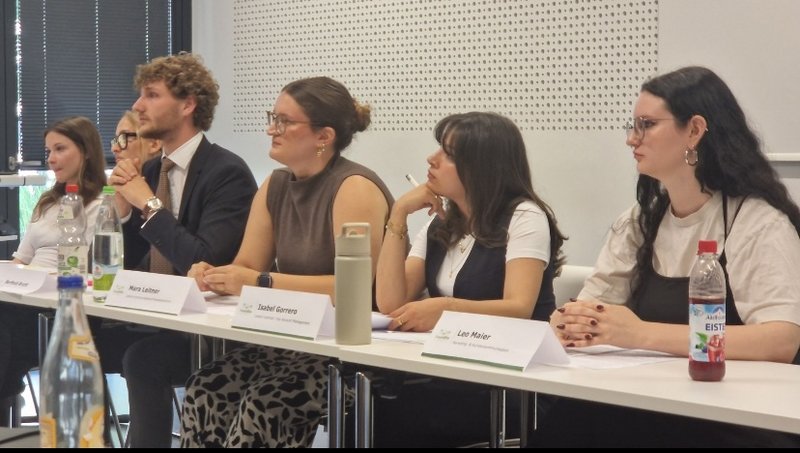
The scenario: A food manufacturer comes under suspicion that cases of listeriosis may be linked to one of its products. The first person affected is in hospital in a serious condition. The press conference, convened at short notice, is due to begin in a few minutes.
- What statements will the company’s management and communications team use to address the situation?
- What questions will journalists from the local, business and specialist press, as well as radio and tabloid media, ask?
- How will major retail partners, consumer protection organisations and social media communities react?
- Intense pressure, high complexity, an extremely short preparation time, uncertainty amongst all those involved, and stress caused by heightened emotions.
This scenario took place in the module “Issues Management, Risk & Crisis Communication” on the “Media and Communication Management” degree programme taught by Prof. Dr. Maike Kolbeck and Prof. Dr. Michael Bürker. Students from the “New Media and Intercultural Communication” degree programme taught by Prof. Dr. Till Krause also took part, taking on the roles of journalists.
Initial lessons learnt:
- Crises are not beauty contests.
- Good preparation is extremely important.
- Facts provide reassurance.
- Emotions take precedence – but they can leave you speechless at first.
- Communicate simply, clearly and comprehensibly.
- No speculation – only state what is certain and verifiable.
- There is no such thing as perfect preparation. Your own attitude towards the crisis helps when faced with the unpredictable.
Many thanks to the students who took part in this experiment and performed very well. To the ‘journalists’ for their critical questions and the emotional contributions from those ‘affected’. And to the ‘research assistants’ at the research institute who professionally observed and evaluated the crisis press conference.
Fotos: Hochschule Landshut, Prof. Dr. Michael Bürker